
Ndi Umunyamulenge logo
Ndi Umunyamulenge

Our Past

History of the Banyamulenge

A chronicle of settlement, resilience, and identity in the highlands of South Kivu — told with respect for the elders who preserved these stories and the generations who carry them forward.

1

Pre-18th century

Origins & Early Settlement

The Banyamulenge — meaning "people of Mulenge" — are a community whose identity is deeply tied to the high plateau region of Mulenge in South Kivu, eastern Democratic Republic of Congo.

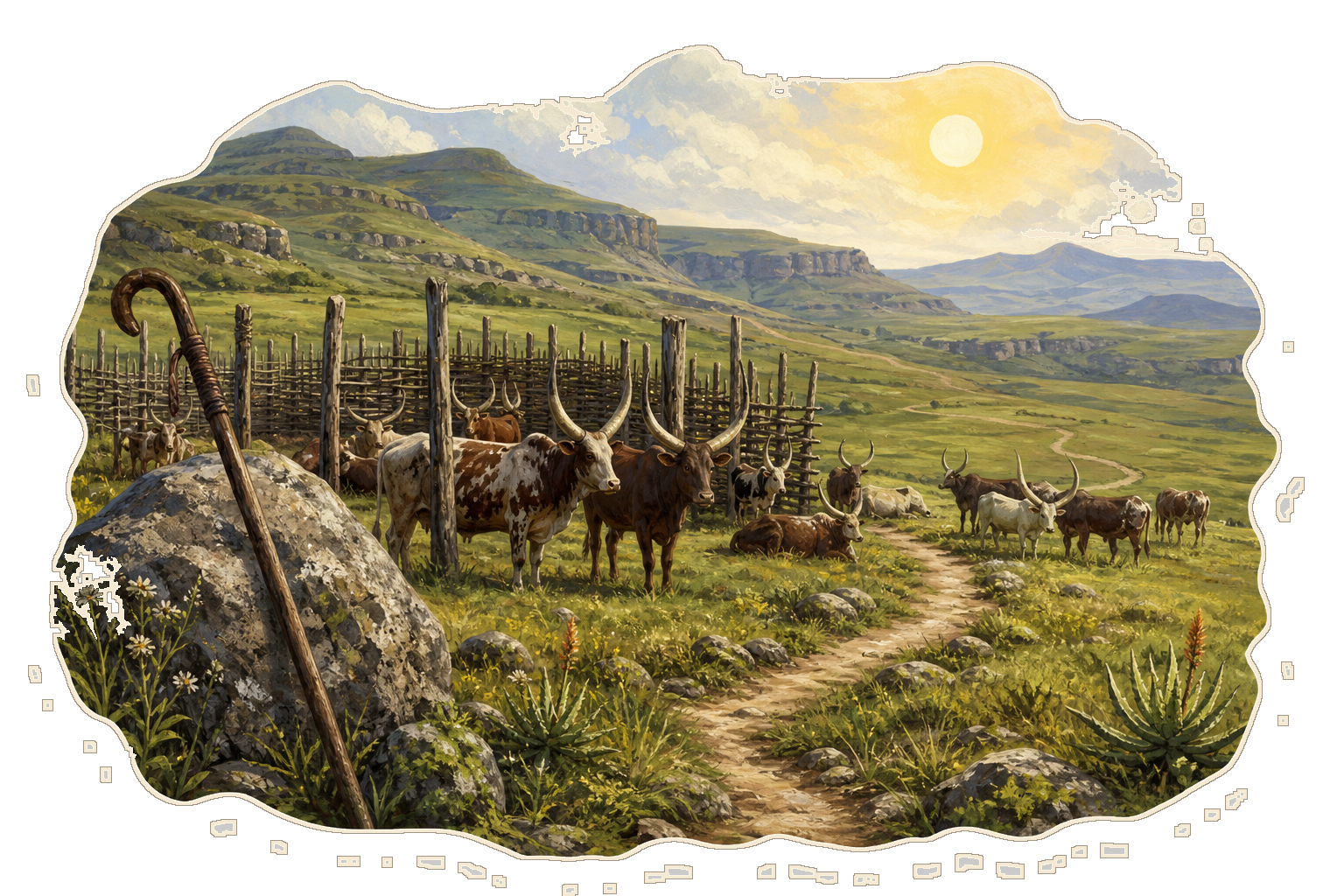
Historians trace pastoral migrations into the eastern Congo highlands over several centuries. These communities brought cattle-rearing traditions and established settlements across the fertile plateaus, valleys, and hills that would become their homeland.

Life was organized around pastoralism, local councils of elders, and kinship networks that structured social and economic relationships across the region.

2

1885 – 1960

Colonial Era

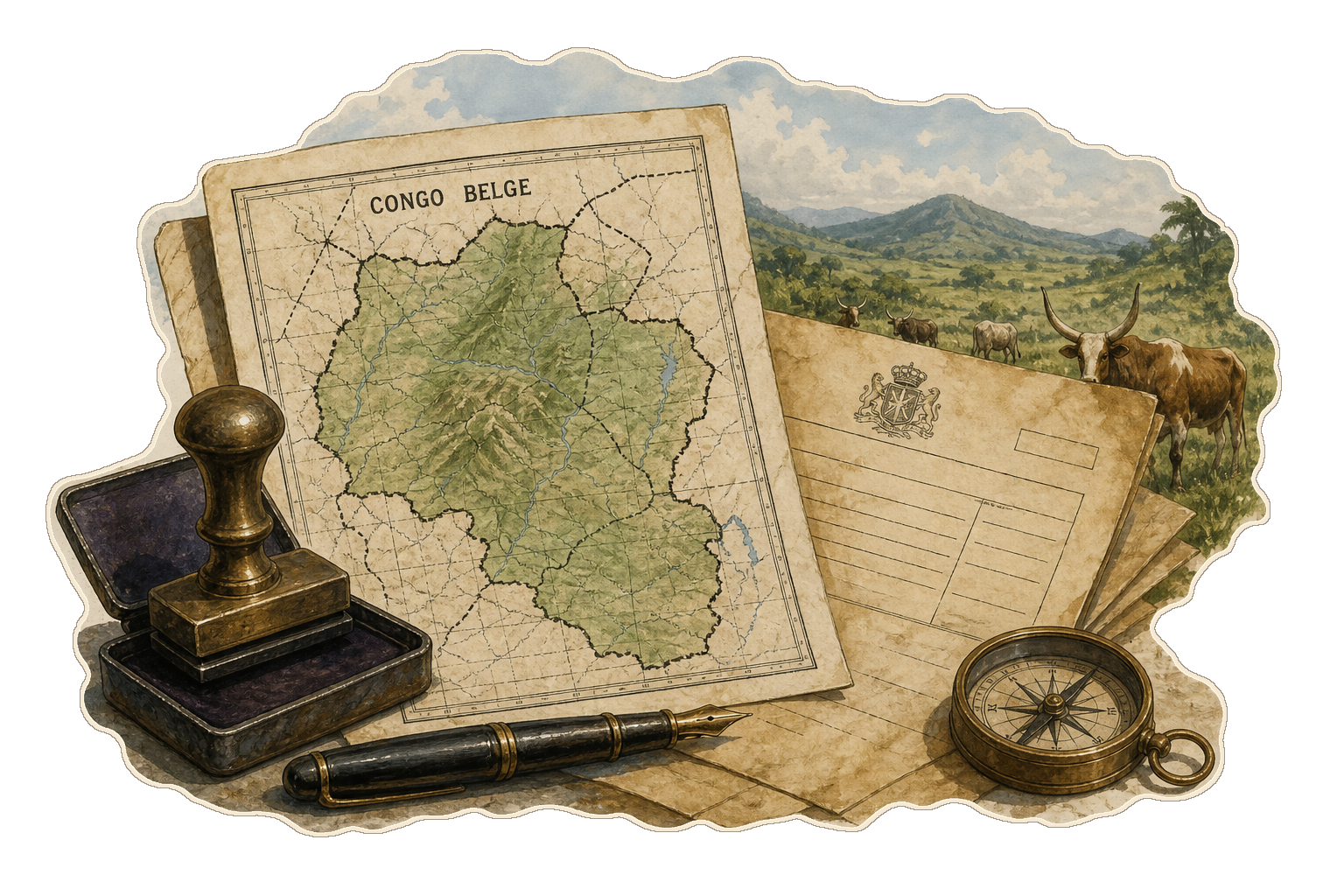
Belgian colonial rule brought new administrative boundaries, identity classifications, and economic systems to the region. The highlands were integrated into the colony of Belgian Congo, and local governance structures were reshaped under colonial authority.

Despite external pressures, Banyamulenge communities maintained pastoral livelihoods and cultural practices. The colonial period also planted seeds of later debates about nationality, belonging, and political representation that would intensify after independence.

3

1960 – 1990s

Independence & Nation-Building

Following Congolese independence in 1960, questions of citizenship and political inclusion became central to Banyamulenge experience. Community leaders advocated for recognition as Congolese nationals with full rights.

Periods of political tension, displacement, and conflict affected the highlands profoundly. Many families were forced to flee, scattering diaspora communities across East Africa, Europe, North America, and beyond.

Throughout these challenges, oral traditions, church communities, and cultural associations helped preserve identity and collective memory.

4

1990s – 2000s

Conflict & Displacement

The regional wars that engulfed eastern Congo deeply impacted Banyamulenge communities. Violence, mass displacement, and humanitarian crises reshaped daily life across Minembwe, Bijombo, and surrounding areas.

Survivors and refugees carried stories, languages, and customs into exile. Diaspora networks became lifelines — connecting families, organizing aid, and keeping the community's voice alive internationally.

5

Today

Present & Future

Today, Banyamulenge communities continue rebuilding in the highlands while thriving in diaspora worldwide. Younger generations are increasingly engaged in documenting history, advocating for rights, and celebrating cultural heritage.

Projects like Ndi Umunyamulenge aim to ensure that this history is accessible, accurate, and preserved for those who come after — so that every Umunyamulenge can say with pride: this is who we are, and this is where we belong.

Contribute to Our Archive

This history is a living document. If you have family stories, photographs, documents, or corrections to share, we welcome community contributions to help build the most complete record of Banyamulenge heritage.