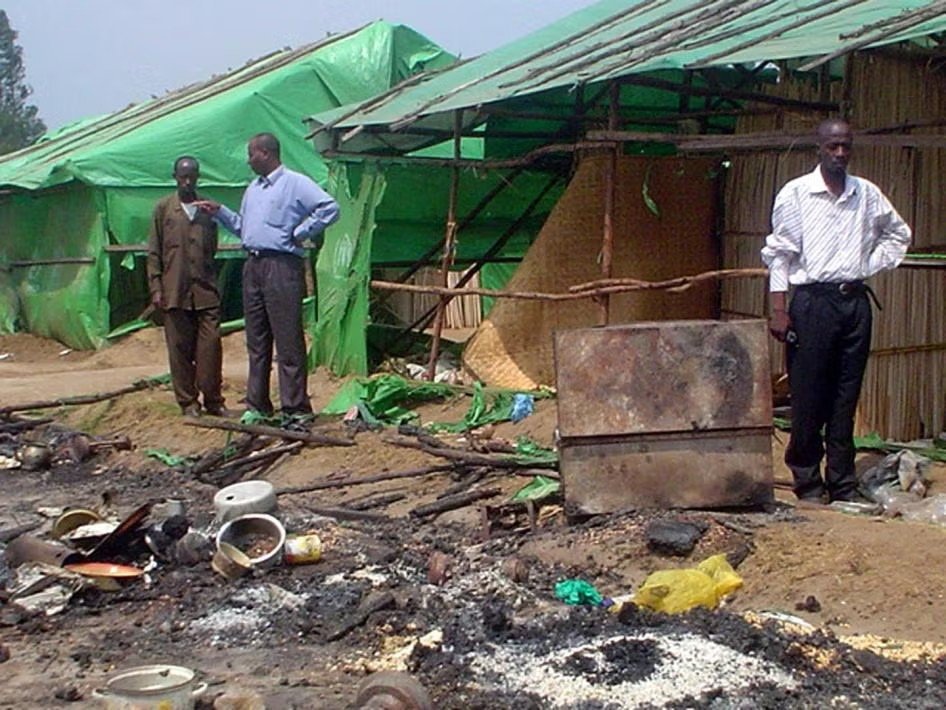
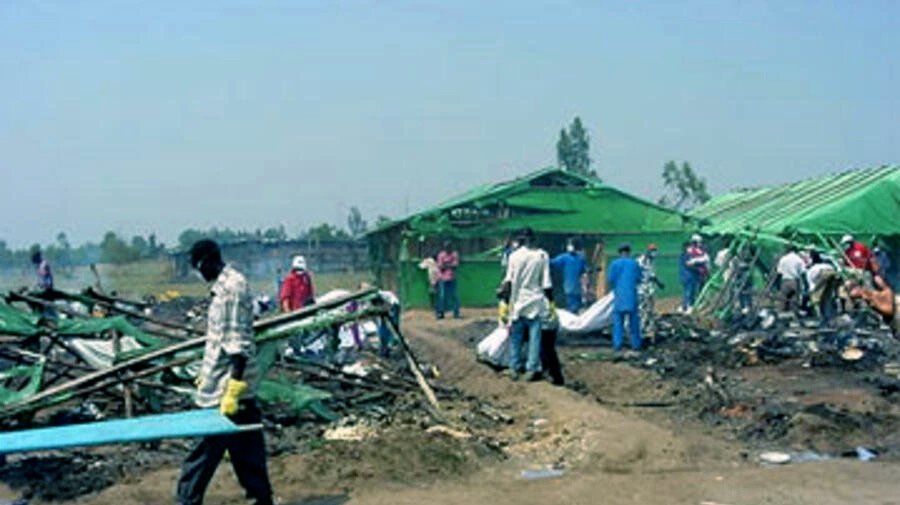
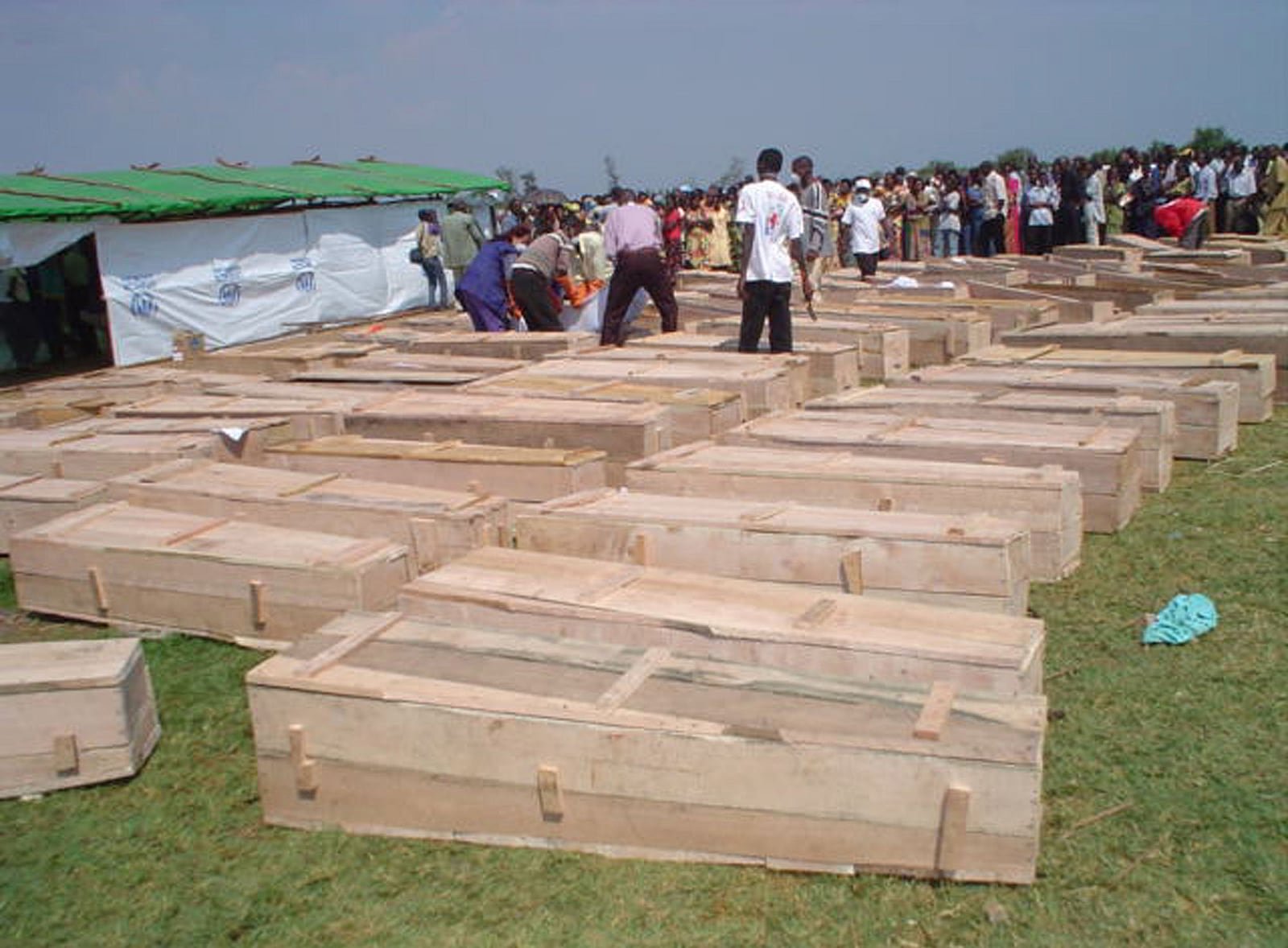
By August 2004, a UNHCR camp at Gatumba, in western Burundi, sheltered roughly 1,200 Congolese refugees — most of them Banyamulenge who had fled violence in South Kivu. They came looking for a night of rest under international protection. They were mothers, children, elders, and families who had already lost homes.
Around midnight on 13 August 2004, fighters of the Forces nationales de libération (FNL) — then led by Agathon Rwasa — stormed the camp with guns, machetes, and grenades. Survivor testimony and Human Rights Watch investigations describe a methodical assault: tents torn open, families hunted down, Banyamulenge singled out with ethnic slurs. United Nations peacekeepers on site could not stop it. Some people escaped into the bush; many did not.
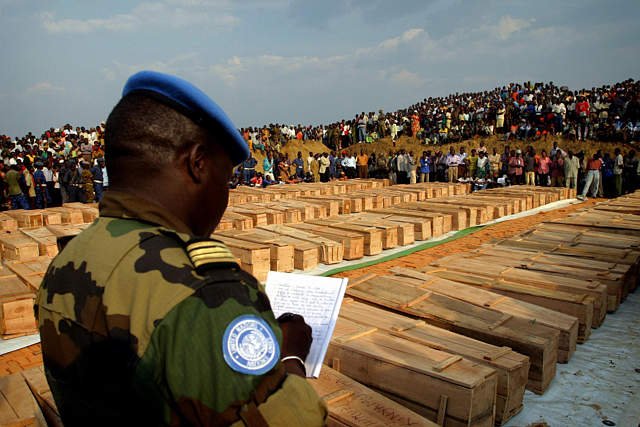
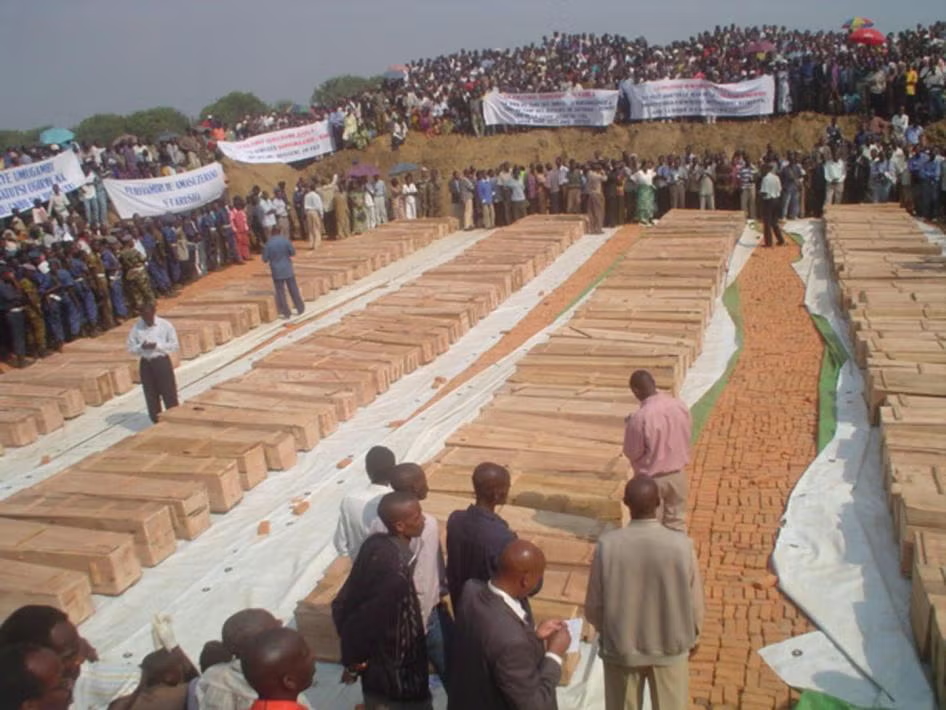
By morning, roughly 152–166 civilians were dead and about 106 wounded. Entire households were gone. Children woke as orphans. The world expressed outrage; arrest warrants followed for FNL leaders, including Rwasa and spokesperson Pasteur Habimana. A full reckoning never came. Political convenience outran justice — and the survivors were left to carry both grief and memory alone.